Home

Tech News
What is CRM Software? A Complete Guide to Customer Relationship Management
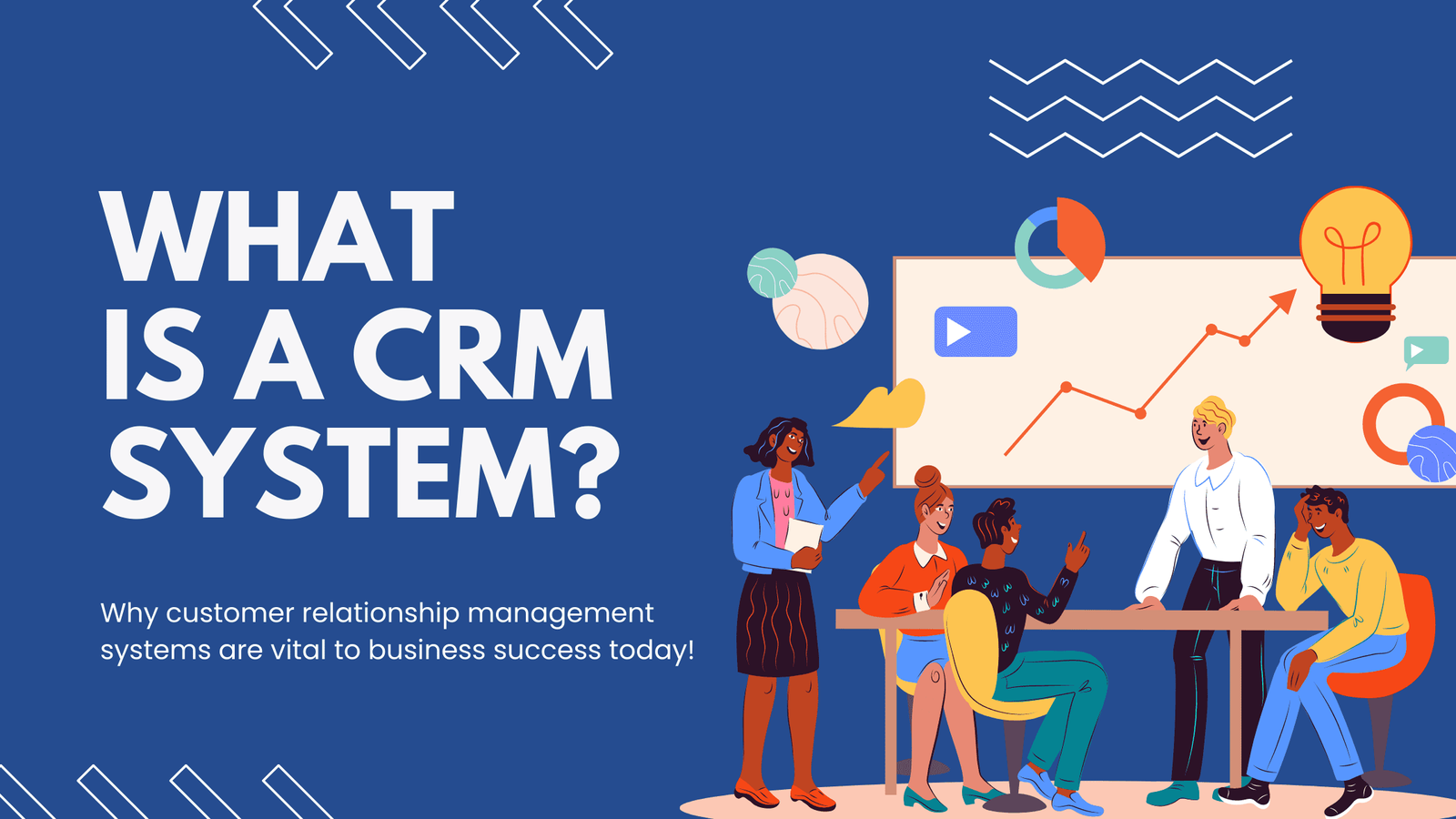
Management of customer relationships can be referred to as CRM. Businesses can use this application to better manage their contacts with present and potential clients. Our primary objective is to strengthen relationships to support corporate growth. This software facilitates client connections, improves workflow, and boosts revenue for businesses. The term "CRM" typically refers to a CRM system, software that helps companies maintain a record of all communications with current clients.
It's harder than ever to run a business these days. The typical organization uses hundreds of apps, yet many of them are
Incompatible.
A business must have a thorough understanding of its clients to expand successfully. However, it becomes challenging to grasp the whole picture when data is dispersed among emails, spreadsheets, social media, and several software platforms.
Follow-ups are delayed, crucial information is omitted, and the team may not have the same information.
Here is a simple reason why using this type of system is important.
Strong relationships
Better teamwork
More organized sales process
Smarter decisions
Time-saving
When information is clear and easy to access, teams can focus more on serving customers.
Customer relationship management isn't just a tool for storing contacts; it helps your business run more smoothly, your teamwork be better, and your customers feel valued. Here are some benefits to using this software:
Make sales easier.
All of your team's customer interactions are visible in one location. This aids in lead prioritization, progress monitoring, and timely follow-up. Some software even automatically creates reminders and proposes the next step.
Understand your customers.
By combining information on all your channels, you get a complete picture of your customers. This allows you to personalize messages, support, and offers.
Grow without worry.
A cloud-based CRM can expand as your business does. You can add new users or features as you need without technical headaches.
Save time with AI.
AI can help draft emails, write content, update records, and even spot trends. Your teams spend less time on repetitive tasks and more on meaningful work.
Work together smoothly.
Everyone has access to the same information. Teams can collaborate in real time, update notes, and keep projects on track without confusion.
Connect all your tools.
Your software can link with other apps you already use, so data flows automatically, and nothing gets lost between systems.
Access anywhere
Since it's cloud-based, your team can check information, update notes, or review customer history from anywhere and on any device.
Keep data safe.
Your customer information is protected with strong security and automatic updates, so only authorized people can access it.
This system is mainly divided into four types. Today, many platforms combine different features into a single system that can do several things at once.
Operational systems
By automating sales, marketing, and customer support tasks, the operational system makes your business function more smoothly. They record consumer interactions and assist your team with campaign management and follow-up. These software programs gather data from websites and social media platforms. It facilitates the process of identifying and qualifying potential clients.
For example: Spotio
Analytical systems
Analytical systems analyze client data using intelligent tools like AI and algorithms to help you understand what customers want. Targeting the correct clients is made easier by their ability to see patterns and trends that humans would overlook. These CRMs can be tailored to meet your company's needs and provide better insights into consumer behavior. Features can be added or removed as your company evolves.
For example: OLAP
Collaborative systems
Focus on keeping track of customer interactions. They help your team manage messages and contacts from social media and websites in one single place.
It makes it easier for your team to share updates on tasks and sales progress, so everyone knows what to do next, and nothing gets missed.
For example: Dynamics 365 Sales
Strategic systems
These are designed for businesses that want to build long-term relationships with their customers. They collect and analyze customer data to help your team understand customers and keep them coming back.
These CRMs use smart tools to spot opportunities for engagement, improve customer loyalty, and create better offers over time.
Get the Softliee App now & scroll through your favourite content faster!



















863 Views